When leg veins fail, life gets smaller. Patients start organizing their day around elevators, avoiding walks that used to feel easy, and hiding legs under clothing even in warm weather. As a vein treatment doctor who has evaluated thousands of legs, I have learned that the right diagnosis and a well-executed ablation can give back more than comfort. It restores trust in your own body. This guide explains how a doctor for vein ablation thinks through your case, what the procedure entails, and how to navigate risks, benefits, and recovery with clear eyes.
When a vein doctor recommends ablation
Vein ablation targets faulty superficial veins that allow blood to fall backward because tiny one-way valves have failed. The resulting backward flow, called venous reflux, raises pressure in the legs. Over months and years, that pressure produces symptoms that drift from nuisance to disability: aching, heaviness, swelling by day’s end, itching, nighttime cramps, restlessness, and visible varicose or spider veins. In more advanced venous disease, skin darkens around the ankles, the texture becomes thin and shiny, and ulcers open after minor trauma.
A certified vein specialist begins with a story. When do your legs bother you, and what relieves it. How long has swelling been present. Any history of deep vein thrombosis, pregnancy, hormone use, injuries, or family members with similar issues. Then comes a focused exam and a duplex ultrasound in the standing position. The ultrasound is the heart of the diagnosis. It maps which veins reflux, how long the reflux lasts, and how big the veins are. If reflux in the great or small saphenous system matches your symptoms, an experienced vein doctor will often discuss ablation as a frontline option, especially if compression stockings have failed to control symptoms or if skin changes are progressing.
Not everyone with visible veins needs a procedure. Some patients have cosmetically bothersome spider veins but normal underlying flow. Those are handled with sclerotherapy by a spider vein doctor, not ablation. Others carry swelling primarily from lymphatic causes, kidney disease, or medications, where a vascular circulation doctor will broaden the evaluation. The task is to match the problem to the least invasive treatment that genuinely improves quality of life.
What “ablation” actually means
Ablation closes a diseased superficial vein from the inside so blood reroutes into healthy channels. Your body then gradually resorbs the closed vein. It is not “vein removal” in the old surgical sense. A modern vein ablation doctor typically uses one of three technologies, each proven and widely used:
Radiofrequency ablation uses a catheter that heats the vein wall at controlled segments. Heat denatures proteins, the vein collapses, and the lining seals shut. This technique has been a workhorse for more than a decade, with closure rates around 90 to 95 percent at one year in routine cases.
Endovenous laser ablation uses laser energy delivered through a fiber to generate heat in the vein wall as the fiber is withdrawn. The mechanics are similar to radiofrequency, but laser wavelengths and pullback techniques vary by device and by operator. A well-trained vein surgeon or vein treatment specialist can achieve comparable closure and symptom relief.
Medical adhesive ablation, often called cyanoacrylate closure, uses a low-volume medical “glue” to seal the vein without heat. It does not require the same tumescent anesthesia infiltration along the vein, which some patients prefer. Not every vein pattern is ideal for adhesive, and coverage by insurance varies.
Sclerotherapy is another tool in a vein specialist’s kit, but it works differently. A sclerosant irritates and closes smaller refluxing veins or the tributaries that feed varicose clusters. For trunk reflux in the saphenous veins, heat-based or adhesive ablation tends to be more durable. This is one of the decisions a vascular vein specialist weighs during your consultation.
How a vein treatment doctor plans your procedure
Good outcomes come from careful mapping and candid conversation more than from any single device. Here is the planning sequence patients rarely see, but it drives the difference between an average result and a confident one.
First, define the target. The duplex study identifies the start and end points of reflux. For the great saphenous vein, that usually runs from the groin down the inner thigh and calf. For the small saphenous, it runs behind the calf. The vein’s diameter, depth beneath the skin, and any tortuosity determine whether a straight catheter can pass or a different approach is better.
Second, match technique to anatomy and goals. If the vein sits close to the skin or near a nerve, a vein surgeon adjusts energy settings, uses a different device, or chooses adhesive to reduce risk of skin or nerve irritation. If you bruise easily or take anticoagulants, the vein clinic doctor plans around that. The best vein doctor is less attached to a device and more committed to the right tool for your leg.
Third, plan tributary management. Bulging varicose clusters usually connect to the refluxing trunk through side branches. Sometimes ablation alone shrinks them. Often, a doctor who treats veins will add microphlebectomy, removing clusters through tiny nicks, or staged sclerotherapy after the main vein closes. Patients appreciate hearing the likely sequence up front rather than expecting every visible vein to vanish the same day.
Finally, set expectations. A vein care doctor will explain what ablation can and cannot do. Relief from heaviness and swelling can appear within days, but skin darkening fades slowly. Numb patches, if they occur, often resolve in weeks. Ulcers, when present, need diligent wound care even after reflux is corrected.
The day of ablation: what it feels like in real life
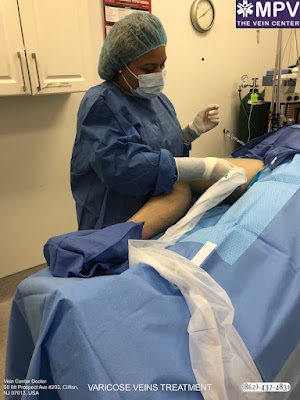
Most ablations take place in an office procedure room. You arrive in loose shorts, have a light snack beforehand, and plan to walk out thirty to sixty minutes later. An experienced vein medical doctor moves through a predictable cadence: marking the vein with ultrasound, prepping the leg, numbing a tiny area, and placing the catheter through a single needle puncture.
With heat-based ablation, the most noticeable step is tumescent anesthesia. The vein care specialist infuses cool, dilute anesthetic around the vein at multiple points using a fine needle under ultrasound guidance. It feels like pressure and occasional pinches, rarely more than momentary stings. These injections protect surrounding tissue from heat and provide comfort. During energy delivery, patients usually feel a gentle tugging or warmth but not pain. With medical adhesive ablation, the doctor for vein ablation often needs only a few local numbing shots, and the closure does not involve heat.
When the catheter is withdrawn and the vein has sealed, the team applies a snug wrap or a compression stocking. You stand, take a few steps, and go home with instructions. In our practice, the first walk happens before you leave the room. Movement discourages clot formation and simply makes people feel normal again.
Benefits you can reasonably expect
The headline benefits from a board-certified vein specialist are symptom relief and prevention of progression. The evidence is consistent across technologies: patients report less aching, reduced swelling, improved stamina for walking and standing, and better sleep when nighttime cramps and restlessness fade. In patients with skin changes from chronic venous insufficiency, stopping reflux helps halt the cycle of inflammation that leads to ulcers. Where ulcers already exist, correcting the broken vein often accelerates healing when combined with compression and wound care.
Cosmetic improvement follows function. Bulging clusters shrink after their source pressure is removed. Spider veins typically require separate attention from a spider vein doctor, but even those treatments respond better when the underlying reflux is addressed first.
Patients often ask how long the benefits last. In straightforward cases, closure durability at one year is in the 90 percent range and remains high at several years, especially when the original reflux segment was treated thoroughly and post-procedure recommendations were followed. Recurrence can occur through new reflux in adjacent segments or because large tributaries maintain flow paths. That is why follow-up ultrasound matters. A thorough vein treatment provider aims not just for a closed vein today but a resilient leg five years from now.
Risks and how an experienced vein doctor minimizes them
Every procedure carries risk, but the absolute rates for modern endovenous ablation are low when performed by an experienced vein doctor. Understanding the spectrum helps you make a calm decision.
Pain and bruising around treatment sites are common in the first week and usually managed with walking, compression, and over-the-counter anti-inflammatories if your medical history allows. Tightness along the treated vein starts around day three and often signals the healing fibrosis that secures closure.
Skin burns are rare with heat-based ablation when tumescent anesthesia is used correctly. The vascular vein doctor reduces this risk by ensuring an adequate fluid buffer around the vein and by avoiding treatment too close to the skin surface. Adhesive ablation avoids heat-related risk but introduces a small chance of localized inflammatory reaction, which typically responds to NSAIDs or short steroid courses if needed.
Nerve irritation presents as numbness or tingling along a small area near the ankle or calf. It results when a superficial sensory nerve runs close to the treated vein. Most cases improve on their own within weeks to months. Careful mapping and judicious energy application reduce the odds.
Deep vein thrombosis is the complication patients fear most. The actual risk after an uncomplicated superficial ablation is low. Preventive measures include keeping catheters away from deep vein junctions, encouraging immediate ambulation, using compression, and reserving blood thinners for patients with higher baseline risk. Your vein disease doctor should ask about previous clots, known thrombophilias, active cancer, long flights, or immobility. When risk is higher, the plan adjusts.
Endothermal heat-induced thrombosis describes clot extension from a treated superficial vein into a nearby deep vein segment. experienced vein doctor NJ It is uncommon and often asymptomatic. Early detection on follow-up ultrasound and brief courses of anticoagulation, when indicated, resolve the issue in the vast majority of cases.
Allergic reactions are uncommon but possible with adhesives, sclerosants, or antiseptics. A thoughtful allergy history and test dosing help prevent surprises.
The overall risk profile compares favorably to old surgical vein stripping, which required general or spinal anesthesia and more days off work. Modern ablation, in the hands of a seasoned vein surgeon or medical vein specialist, is an outpatient event with a quick return to normal life.
Recovery: what the first two weeks really look like
One patient told me she dreaded the recovery more than the procedure. By day two she was walking the dog and laughing at her former self. Most recoveries follow that arc. You leave wearing a stocking and a small bandage. The stocking stays on continuously for 24 to 48 hours depending on your physician’s protocol, then during daytime for another week or two. If your job allows regular walking, you can usually return the next day. Heavy leg day at the gym can wait a week.
Mild soreness tracks the treated vein, sometimes with a cord-like feeling under the skin as the vein fibroses. That sensation peaks around days three to five and softens over the next week. Gentle walking speeds improvement. Avoid soaking in hot baths or hot tubs for several days, not because heat undoes the closure but because puncture sites need to seal first. Showers are fine after the first day when your doctor clears you.
A follow-up ultrasound typically occurs within a week to confirm closure and rule out proximal extension of thrombus. If residual varicosities remain prominent and bothersome, a vein treatment expert schedules sclerotherapy or microphlebectomy when the tissue calms, often within a few weeks. Patients with ulcers continue wound care, and the doctor for venous disease coordinates compression and dressings while healing accelerates.
Choosing the right doctor for veins
The device matters less than the person planning and performing the treatment. When you meet a vein specialist, look for a few signals. The doctor should perform or directly oversee the ultrasound, explain where reflux occurs, and show you images that make sense. A vein evaluation doctor who draws maps on your leg and uses them during the procedure is demonstrating attention that pays off later.
Ask about training. Many excellent vein doctors come from vascular surgery, interventional radiology, or interventional cardiology backgrounds. The titles vary. What you want is a certified vein specialist with documented experience in venous disease, not just someone who added vein work as a side service. Ask how many ablations they perform per month and how they manage complications. The best vein doctor will answer without defensiveness.
Insurance navigation is practical and important. A seasoned vein clinic doctor knows which plans require trial compression, how to document medical necessity, and how to time staged treatments so you are not stuck with surprise bills. Good clinics do not push cosmetic sclerotherapy when a deeper problem drives your symptoms.
Finally, rapport matters. You should feel that this vein health doctor is listening, not rushing. A small story illustrates why. Years ago, I evaluated a teacher who swore her worst pain began only after she climbed three flights of stairs to her classroom. Her ultrasound showed reflux but also a prominent tributary that only filled when she stood with the leg flexed. We mapped and treated both the trunk and that specific branch. Two weeks later she carried a basket of books like it was nothing. The diagnosis was correct, but the attention to her lived experience made the result.
Comparisons patients ask about: ablation vs alternatives
Patients often ask whether they can avoid any procedure. Compression stockings reduce symptoms for many people. They are essential for ulcer management and useful for people who cannot undergo ablation. But stockings do not correct reflux; they manage it. If you stop wearing them, the pressure returns. Exercise, weight management, calf raises, and leg elevation all help, and I routinely prescribe them, but they are allies, not substitutes, for ablation when ultrasound shows significant reflux and symptoms persist.
What about sclerotherapy as a primary treatment for big refluxing trunks. Foam sclerotherapy can close larger veins, and in select anatomical scenarios it is a sensible choice. The durability can be lower compared to heat or adhesive ablation, especially in bigger diameters, and there is a small risk of visual aura or headache in migraine-prone patients if bubbles pass through a heart shunt. A vein therapy doctor weighs those factors against convenience.
Surgery still has a role in rare cases. Extremely tortuous veins that a catheter cannot traverse, or recurrent disease after multiple endovenous attempts, may push a vascular surgeon with venous expertise to consider hybrid or open procedures. That is uncommon in modern practice.
Special circumstances and edge cases
Pregnancy changes the calculus. Symptoms commonly worsen during pregnancy and then partially recede after delivery. Unless there is urgent need, we delay ablation until after breastfeeding. A vein problem doctor can still guide compression and activity to keep you comfortable in the meantime.
Post-thrombotic limbs present a different challenge. If you have a history of deep vein thrombosis with damaged deep valves, superficial ablation must be considered carefully. Sometimes closing a refluxing superficial channel improves symptoms by reducing overall pressure. Other times it removes an important collateral that your body uses to bypass deep obstruction. This is where you want a venous disease specialist who reads the ultrasound like a map, not just a list of measurements.
Athletes and heavy laborers worry about downtime. With good planning, most return to training within a week. Myopic focus on a calendar can backfire, though. Give tissue the few days it needs to settle, and you are less likely to develop prolonged tenderness.
Patients with neuropathy or peripheral artery disease need individualized plans. A vascular care doctor will assess arterial flow before recommending consistent compression and will tune treatment to avoid compounding problems.
What a realistic timeline looks like
From first visit to feeling better, most patients move through a clear arc. The initial consultation and ultrasound set the plan. If insurance requires a compression trial, that might add six to twelve weeks. Once approved, the ablation visit takes less than an hour. The first follow-up ultrasound is within a week. If residual varicosities are significant, adjunct treatments happen over the following month or two. Many patients feel lighter within days, and swelling often improves within a week. Skin changes soften over months, not days. By three months, most are living with less leg chatter in the background of their day.
Practical aftercare that actually helps
The essentials are simple. Walk the same day, ideally several short walks. Wear the prescribed compression as instructed. Avoid marathon sitting in the first week, including long flights or road trips. If you must travel, stand and move every hour and hydrate. Keep puncture sites clean and dry for 24 hours, then shower normally. If approved, use an anti-inflammatory for a few days for tenderness. Call your vein consultation doctor promptly if you notice expanding calf swelling, severe unrelenting pain, sudden shortness of breath, or fever.
A small number of patients feel a tight “violin string” along the treated path two to three weeks out. Warm compresses and gentle massage help, but ask your vein evaluation doctor before starting massage if you have risk factors for clot.
The costs worth understanding
When treating medical venous disease, most insurers cover ablation if documentation shows symptoms, failed conservative measures when required, and ultrasound-proven reflux over set thresholds. Cosmetic treatment of isolated spider veins is typically self-pay. Out-of-pocket costs vary widely by region and by clinic. A transparent vein care provider will share fees and any facility or device charges up front. Beware of clinics that steer you toward multiple staged procedures without clear diagnostic justification. Good medicine tends to be good economics over time.
Final thoughts from the clinic floor
Vein ablation is not a vanity procedure. For many, it is the difference between powering through a shift and dragging through one, between walking a neighborhood loop and sitting on the porch watching others. The procedure works when it is targeted, measured, and followed through. Choose a vein health specialist who treats you as a person and your legs as a system. Ask questions. Expect a plan that addresses the main reflux, tributaries, and your goals.
If you read nothing else, carry these points to your vein doctor near me appointment:
- A thorough duplex ultrasound in the standing position should guide every decision, and your doctor should be able to show you where reflux occurs and why ablation helps. Technique matters, but judgment matters more. Look for an experienced vein doctor who tailors radiofrequency, laser, adhesive, or sclerotherapy to your anatomy and risk profile. Recovery is usually quick. Walking the same day, compression for a week or two, and a follow-up ultrasound are standard. Mild tightness or cord-like tenderness is common and temporary.
A well-chosen doctor for leg veins does more than close a vessel. They open options. The best measure of success is not an ultrasound report, but how far you walk without thinking about your legs, how easily you stand through a workday, and how willing you are to wear the clothes you want without planning around your veins.